Travel Adapters Versus Voltage Converters
This is the single most expensive misunderstanding in consumer electronics, and it is entirely avoidable. An adapter and a converter solve different problems, and using the wrong one abroad ends with a burnt-out appliance or worse.
What an adapter does, and only does
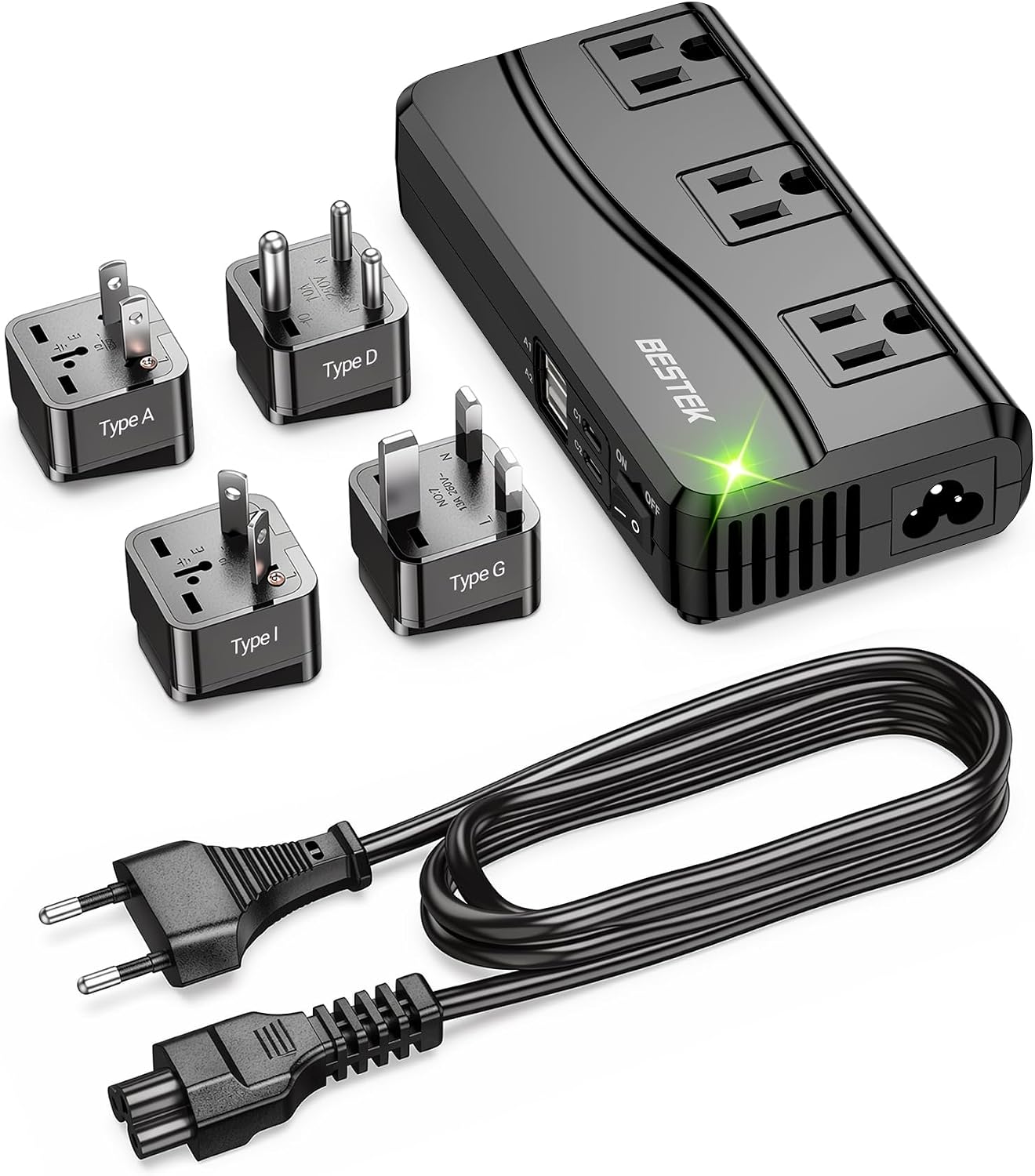
A travel adapter changes the physical shape of the plug so that it fits a foreign socket. It does nothing to the electricity passing through it. The voltage arriving at your device is exactly the voltage the wall is supplying.
That is perfectly safe for any device that is already dual-voltage, which covers almost all modern electronics: phone chargers, laptop power supplies, camera chargers and electric shavers.
The way to check is printed on the device or its power brick. If it says INPUT: 100-240V, 50/60Hz, it is dual voltage and an adapter is all you need.
What a converter does
A converter steps the voltage down, typically from 220-240V used across much of the world to the 110-120V used in the United States. It is required only for single-voltage devices that cannot accept the higher supply.
The devices that still need one are those with heating elements or simple motors: some hair dryers, curling irons, travel kettles and older electric appliances that are labelled 120V only.
A converter has a wattage limit, and that limit is the whole story. Ours is rated 250W, which comfortably runs a charger or a shaver and will not run a 1500W hair dryer.
Reading the wattage on your own appliance
Look for a figure in watts on the rating plate. If only volts and amps are given, multiply them: 120 volts at 2 amps is 240 watts. Compare that to the converter's rating and leave headroom rather than running at the limit.
Heating appliances are almost always the problem. A travel hair dryer at 1000-1875W is far beyond any compact converter, which is why dual-voltage travel hair dryers exist as a separate product category.
Overloading a converter causes it to overheat. Many have thermal cut-outs, but relying on a safety device as a normal operating condition is not a plan.
Frequency, and when it matters
Most of the world runs at 50Hz; North America runs at 60Hz. A converter changes voltage but not frequency. For electronics with switch-mode power supplies this makes no difference at all.
It does matter for anything with a synchronous motor or a mains-timed clock, which will run slow on 50Hz. This is a shrinking category but it still catches out older alarm clocks and some small kitchen appliances.
For the devices most travellers carry, frequency is not a practical concern.
Grounded versus ungrounded adapters
Many cheap universal adapters only carry live and neutral, with no earth pin. That is fine for a two-pin phone charger and wrong for anything with a three-pin plug, such as a laptop brick with an earthed cable or a power tool.
Using an ungrounded adapter on an earthed appliance removes the safety earth entirely. Choose an adapter that explicitly supports grounded plugs if you are carrying anything with three pins.
It is worth checking rather than assuming, because the two look nearly identical in a photograph.
USB output on travel adapters
A universal adapter with built-in USB ports removes the need to carry a separate charger, but the output rating matters. Older designs supply 1A per port, which will charge a phone slowly and will not charge a tablet meaningfully.
Look for the total output across all ports rather than the per-port figure, since most adapters share a single supply. Four ports rated 2.4A each but sharing a 3A supply do not deliver 9.6A.
For a laptop, you will still need its own power supply plus a plug adapter; USB-A ports on a travel adapter are not designed for that load.
Packing a kit that actually works
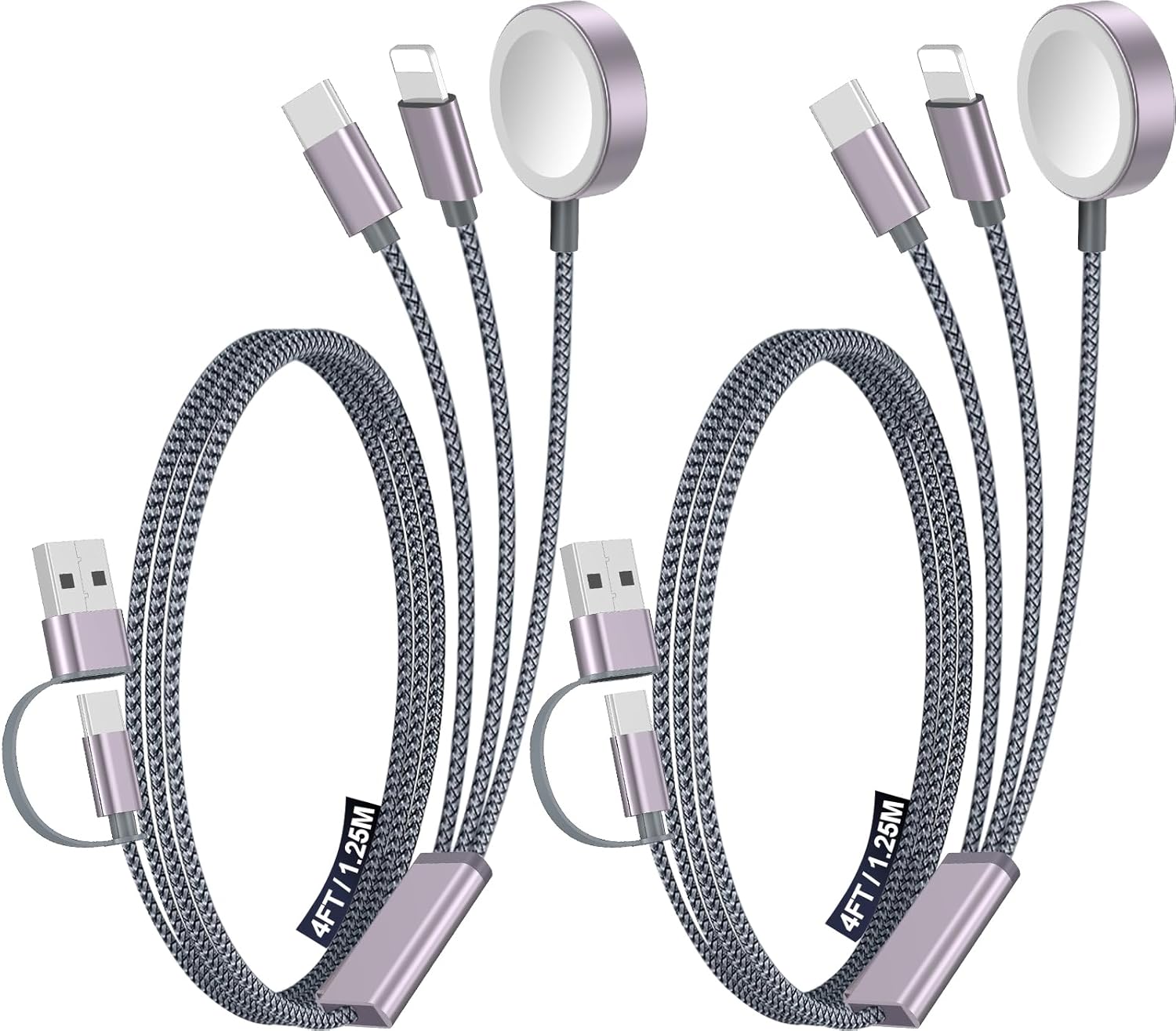
A workable travel power kit is: one universal adapter with grounded support, one multi-port USB charger, one short cable per device, and a cable organiser so the whole thing is one item rather than seven loose ones.
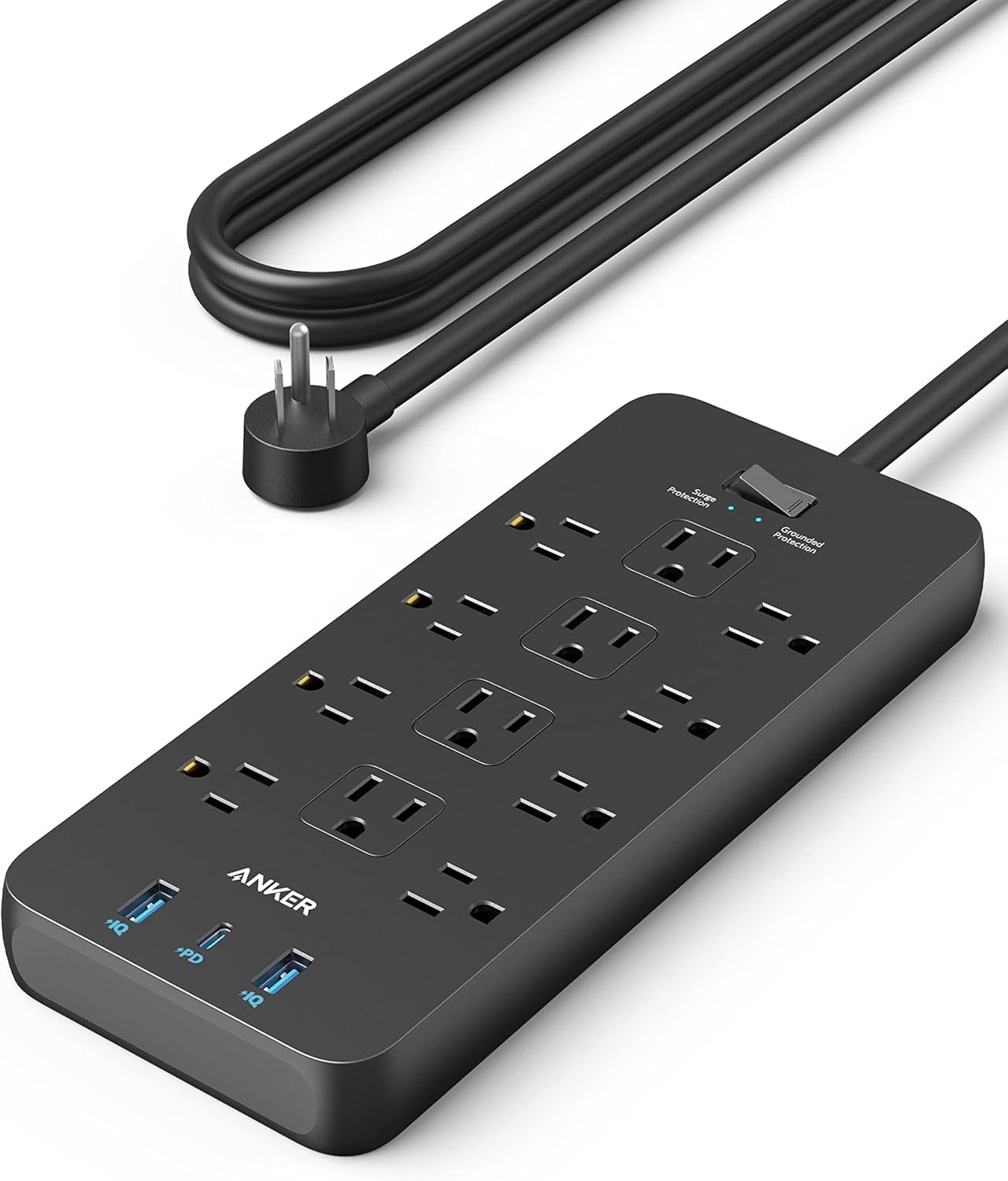
Add a compact power strip if you are travelling with several devices and a hotel room with two accessible sockets, which is most hotel rooms. One adapter then serves the strip and everything plugs into that.
A luggage scale in the same pouch is worth its weight in avoided excess-baggage fees, and takes almost no space.
A short pre-trip checklist
Check every device for the 100-240V marking. List anything that is 120V only and decide whether it is worth carrying a converter for, or whether the hotel supplies one.
Confirm the socket type for your destination and buy an adapter that covers it, ideally a universal type that covers several. Confirm your adapter supports grounded plugs if you need it.
Test everything at home before you pack it. Discovering that a charger does not fit the adapter is much easier to solve on your own kitchen counter than at midnight in a foreign hotel.
Where to go next
Universal adapters, voltage converters, luggage scales and cable organisers are in our Travel Electronics category.
Shop Travel Electronics
Related articles
- How to Choose a Surge Protector by Joule Rating — Joules, clamping voltage and response time explained in plain language, with the rating to look for on a desk, a rack and a TV wall.
- A Beginner's Guide to Soldering Safely at Home — Temperature, tip care, ventilation and lead safety. What you need to know before the first joint, and the mistakes that waste solder.
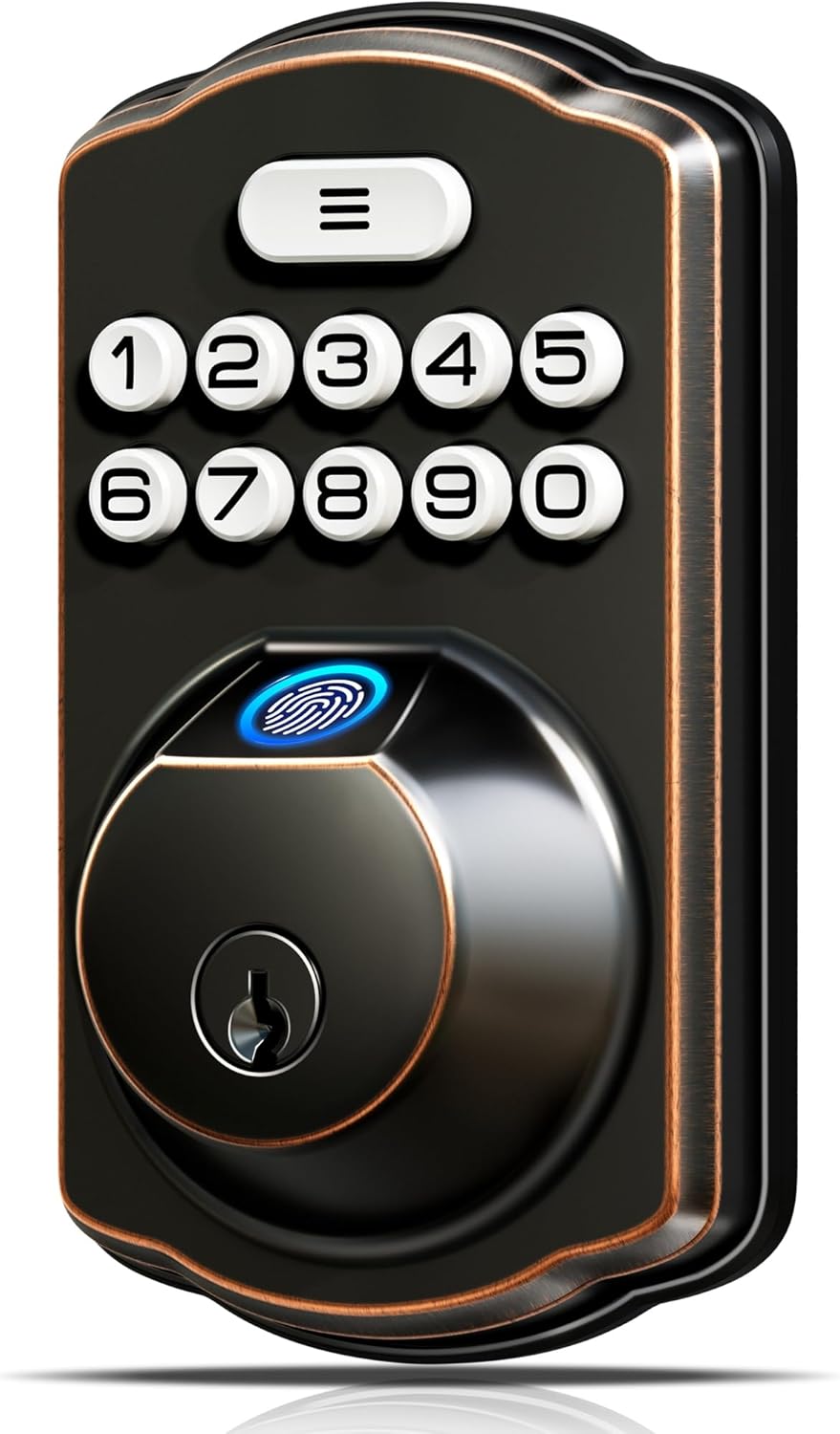
- Choosing a Keypad or Fingerprint Deadbolt for a Rental — What a keyless deadbolt replaces, what it needs from your door, and how to leave the original hardware intact for move-out.
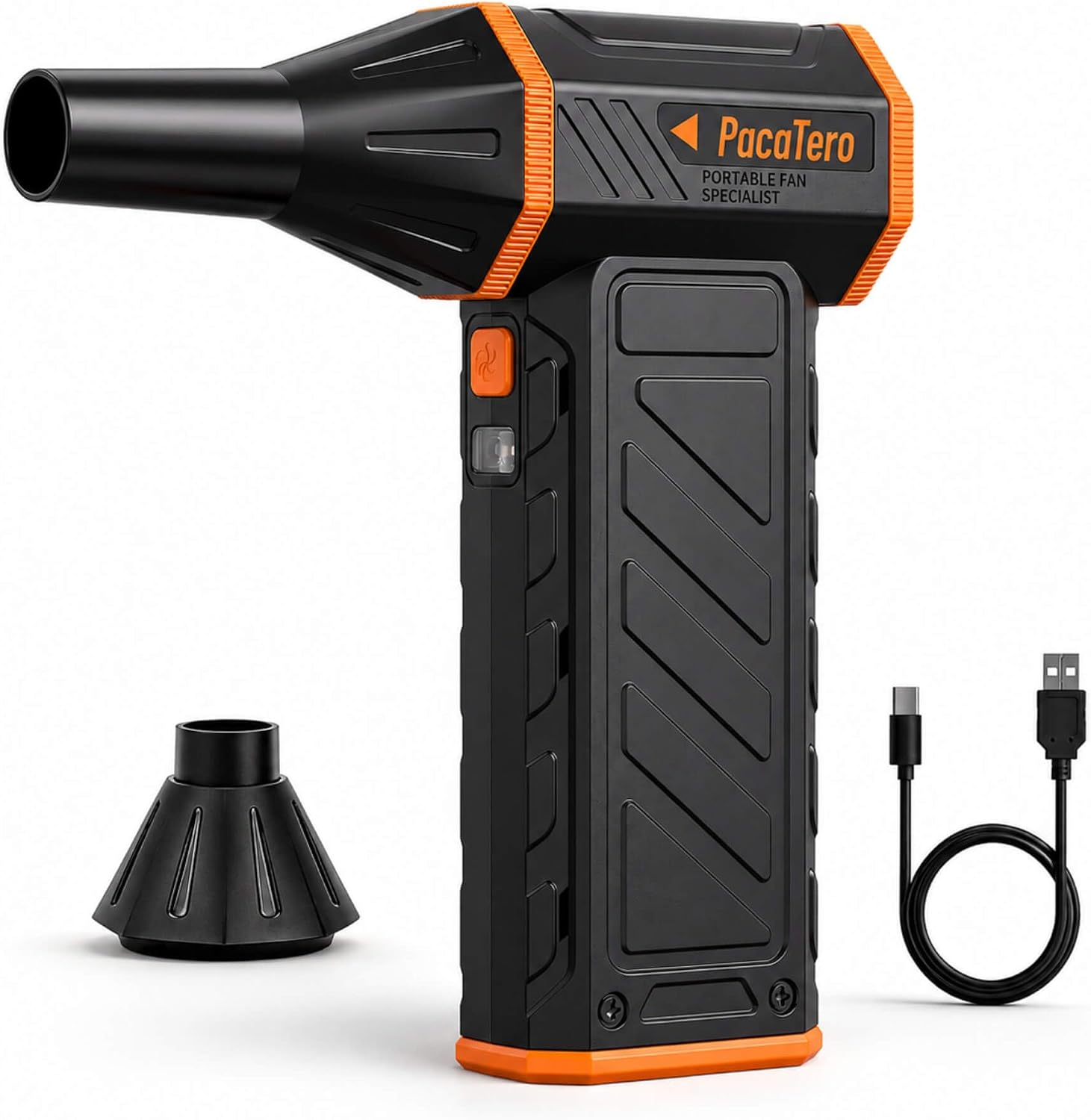
- Cleaning a Keyboard and a PC Without Damaging Anything — Cordless air dusters, static, and the parts you should never spin. A safe routine for keeping a computer running cool.
- Why Your Charger Is Slow, and How to Fix It — Wattage, shared supplies and cable quality decide charging speed far more than the socket does. A diagnostic order that works.