Choosing a Keypad or Fingerprint Deadbolt for a Rental
A keypad or fingerprint deadbolt removes the daily problem of keys without rewiring anything, and in most rentals it is a reversible change. Two measurements and one conversation with your landlord decide whether it will work.
What it replaces and what it does not
A keyless deadbolt replaces the deadbolt only. The latch in the door handle stays as it is, and so does the strike plate in most cases. The lock body, the bolt and the interior thumbturn are the parts that change.
It does not change the door, the frame or the security of either. A strong lock in a weak frame is still a weak door, and that is worth being honest about.
It also does not usually require power to the door. These units run on batteries inside the interior escutcheon, typically for six to twelve months.
Backset and cross-bore: the two measurements
Backset is the distance from the edge of the door to the centre of the bore hole, and it is almost always either 2 3/8 inches or 2 3/4 inches in North America. Most replacement deadbolts ship with an adjustable latch that covers both.
The cross-bore is the large hole through the face of the door, standardly 2 1/8 inches. The edge bore for the latch is standardly 1 inch. If your existing deadbolt is a standard American one, these will already be right.
Measure the door thickness as well. Standard is 1 3/8 to 1 3/4 inches; thicker doors need an extension kit that not every model offers.
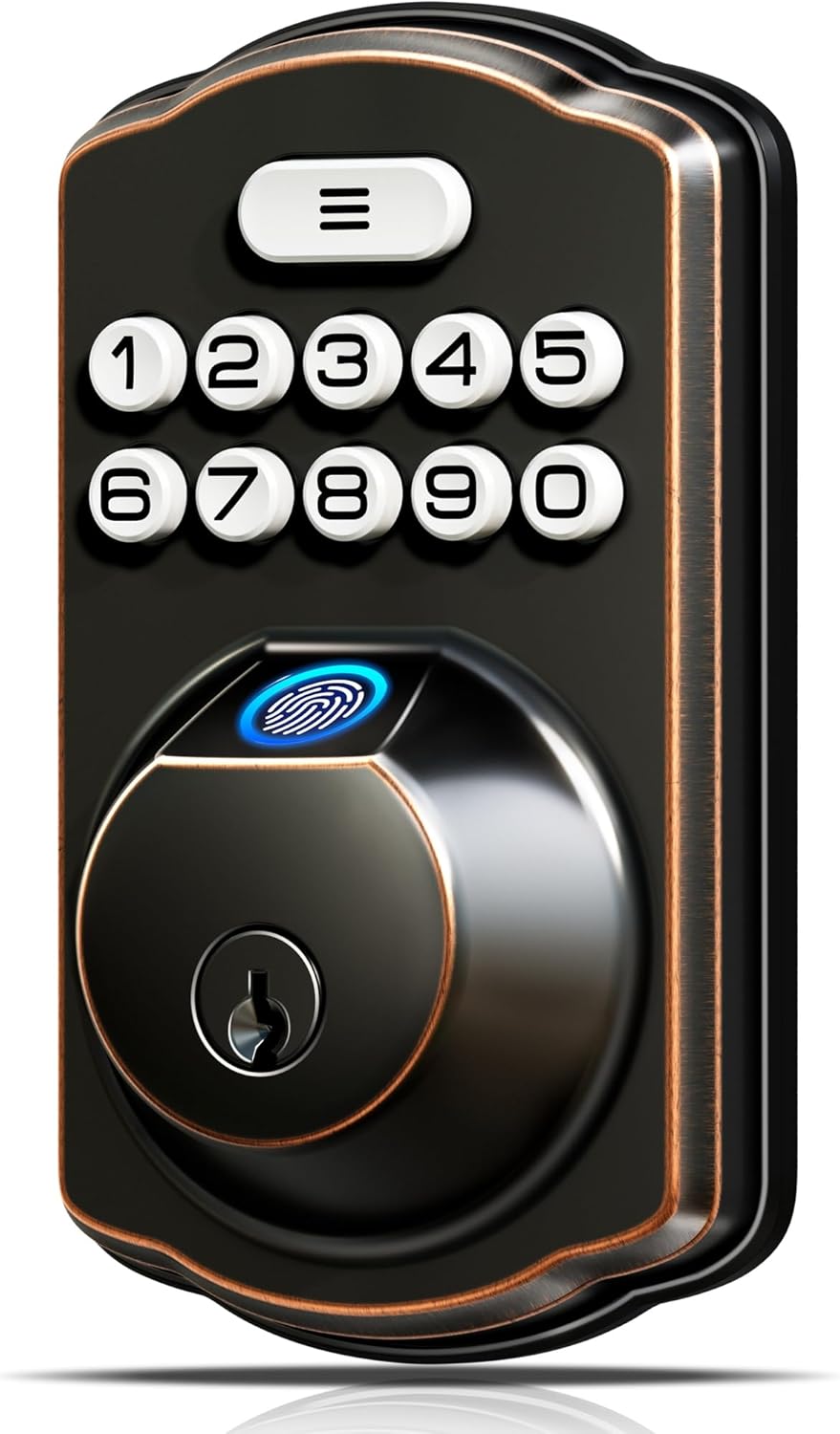
Fingerprint, keypad, or both
A fingerprint reader is the fastest way in and the least reliable in cold or wet conditions, because damp or cold fingers scan poorly. A keypad works in any weather and is slower.
A unit with both, plus a physical key override, covers every situation including a flat battery. The key override is the feature worth insisting on in a rental, because a lockout is not a hypothetical.
Consider who else needs access. Keypad codes can be issued and revoked; fingerprints have to be enrolled in person.
Batteries and the lockout you want to avoid
Most units warn for weeks before the batteries die, through a beep or a light. The failure mode people actually hit is ignoring those warnings, not being surprised by them.
Many models include an emergency external contact that lets you hold a 9V battery against the unit to power it long enough to enter a code. Check whether yours has that, and if not, keep the override key somewhere accessible but not on the door.
Use good alkaline batteries and change all of them together. Mixing an old and a new cell shortens the life of the set.
Talking to your landlord first
Most leases require written consent to change a lock, and most landlords agree readily to a like-for-like deadbolt swap provided they receive a key or a code. Asking first costs one email and removes any dispute at move-out.
Keep the original deadbolt, its screws and its strike plate in a labelled bag from the day you remove it. Reinstalling the original at move-out takes fifteen minutes and returns the door to exactly its previous state.
Do not paint, drill or enlarge anything. A standard swap uses the existing holes.
Installation, realistically
The job is a screwdriver job and takes around twenty minutes. Remove the old deadbolt, slide the new latch into the edge bore, pass the tailpiece through, fit the exterior and interior halves, and tighten the two long screws evenly.
Even tightening is the part people rush. Over-tightening one side pulls the mechanism out of square and produces a bolt that binds. Snug both, test the bolt, then finish.
Test with the door open before you close it. Discovering a binding bolt with the door shut is an unnecessary way to spend an evening.
Codes, and using them sensibly
Set a code that is not a birthday and not the building number. Change it when a temporary user no longer needs access, and use the unit's ability to issue separate codes rather than sharing one.
Wear patterns on a keypad eventually reveal which digits are used. Units with a scramble or decoy-digit feature defeat that; if yours does not, clean the keypad occasionally and change the code periodically.
Write the master code down somewhere that is not in the apartment.
What it is worth
The real value is not security; a good conventional deadbolt is comparably secure. The value is not carrying keys, not being locked out, and being able to let someone in without meeting them at the door.
For a rental, choose a model with a key override, a standard backset and a reversible installation, and the whole thing stays a convenience rather than a commitment.
Our Veise keypad deadbolt is listed with its backset, door thickness range and battery type on the product page.
Where to go next
Keypad and fingerprint deadbolts are in Smart Home & Security, with backset and door thickness listed.
Shop Smart Home & Security
Related articles
- How to Choose a Surge Protector by Joule Rating — Joules, clamping voltage and response time explained in plain language, with the rating to look for on a desk, a rack and a TV wall.
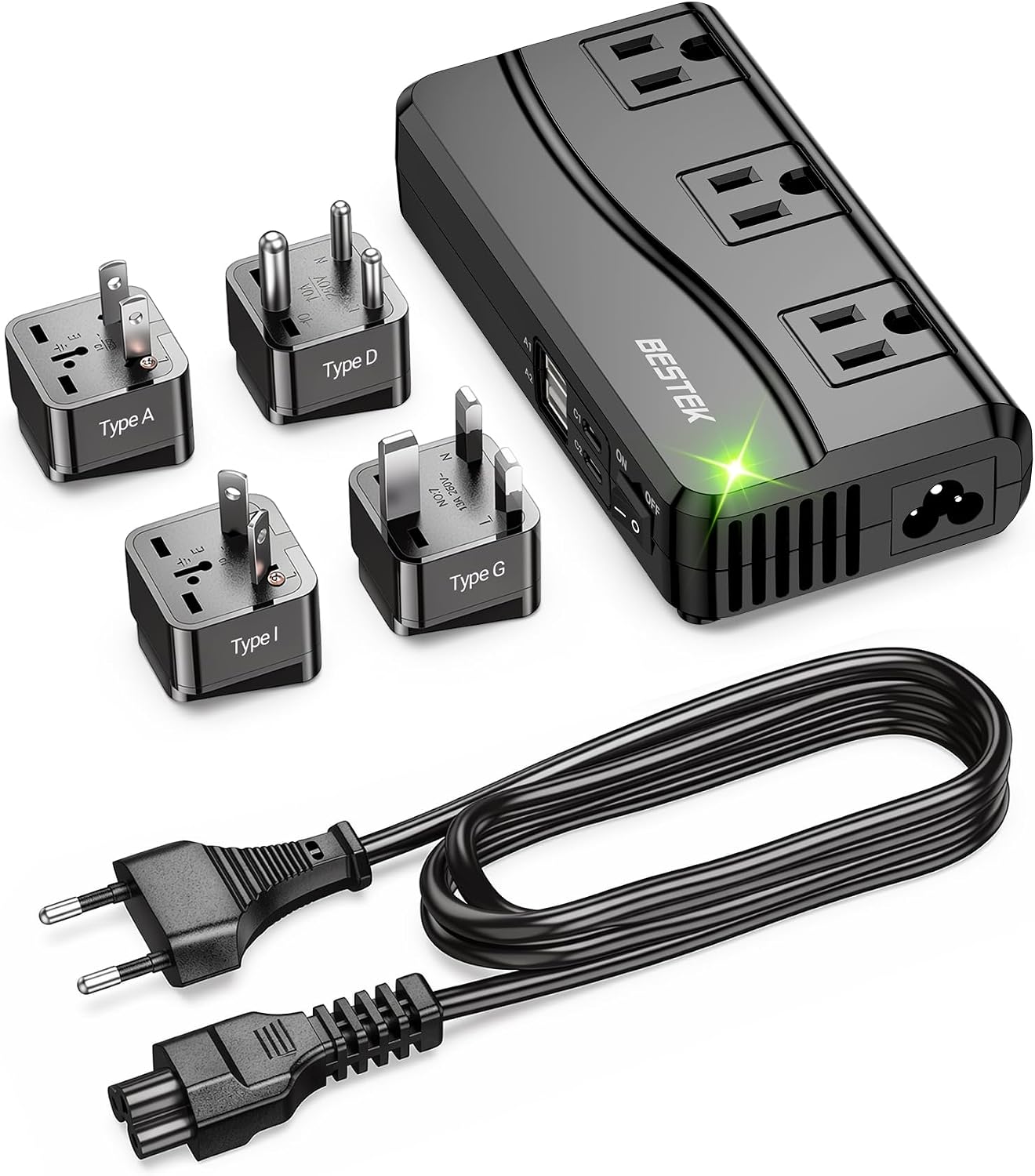
- Travel Adapters Versus Voltage Converters — An adapter changes the plug shape. A converter changes the voltage. Confusing the two is how appliances get destroyed abroad.
- A Beginner's Guide to Soldering Safely at Home — Temperature, tip care, ventilation and lead safety. What you need to know before the first joint, and the mistakes that waste solder.
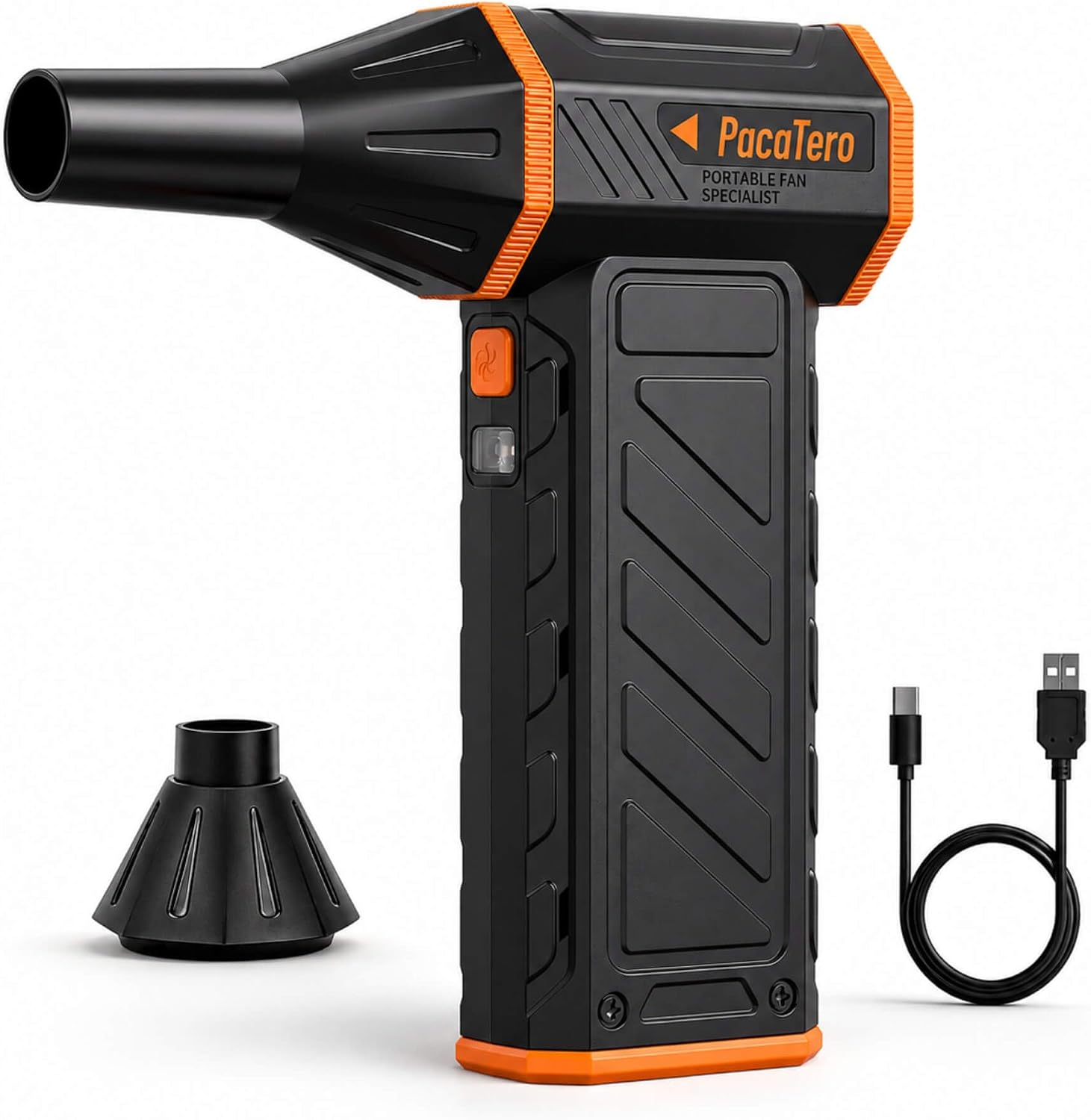
- Cleaning a Keyboard and a PC Without Damaging Anything — Cordless air dusters, static, and the parts you should never spin. A safe routine for keeping a computer running cool.
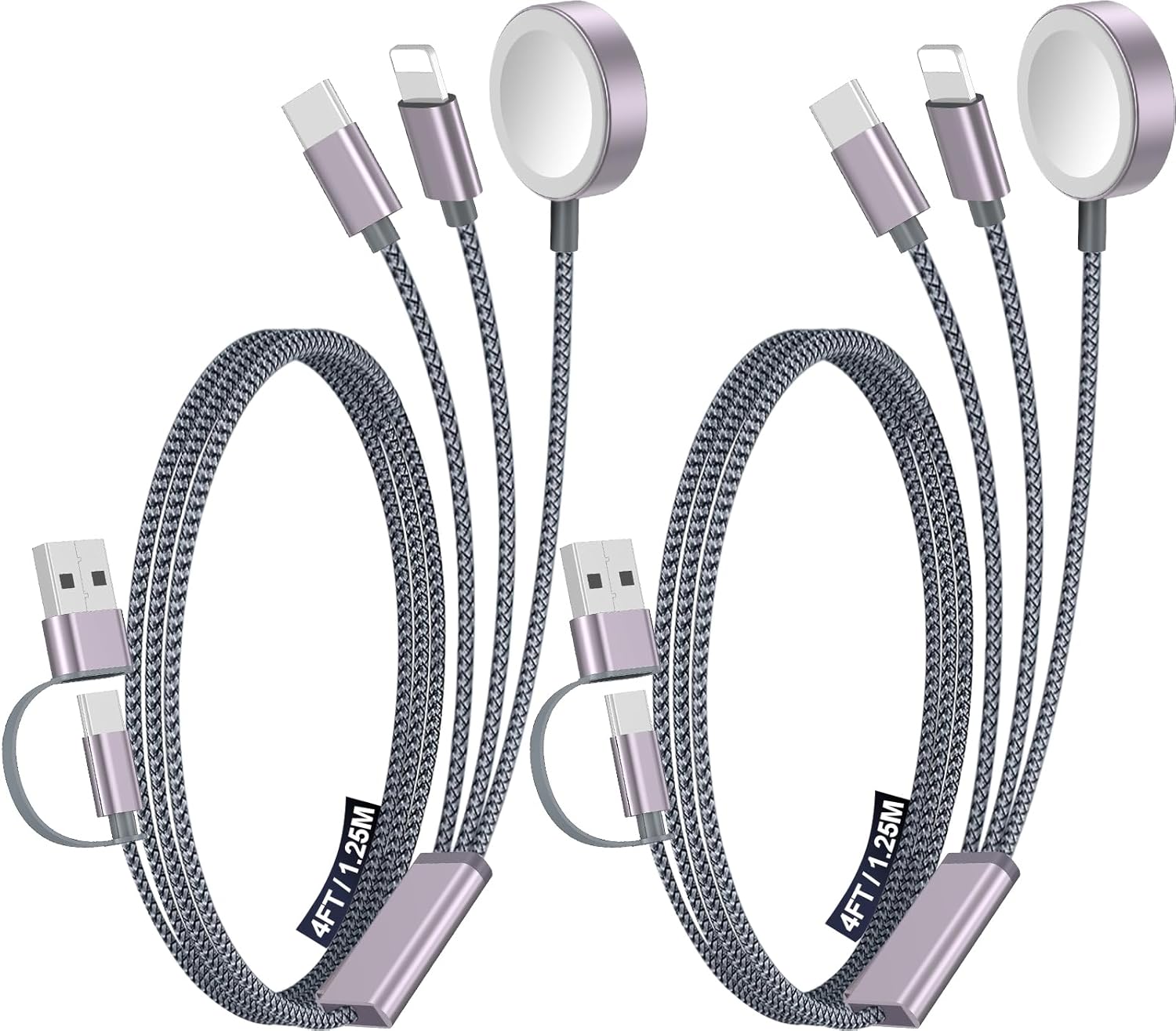
- Why Your Charger Is Slow, and How to Fix It — Wattage, shared supplies and cable quality decide charging speed far more than the socket does. A diagnostic order that works.